H1: Craps Proposition Bets Explained for the Australian Table Player
The craps proposition bets explained approach matters because the real money in this game sits on the one-roll side lines, not the pass line. At a busy Newcastle club on a Friday arvo, you will hear the crowd roar on a seven and go quiet on a hard eight. That noise is entertainment, not a signal. I have seen the same pattern in sports business, where a loud sponsorship moment does not always translate to a measurable return. Treat the prop bets as a short, priced thrill with a clear edge against you, and you will keep the session disciplined.
How the proposition bets actually pay
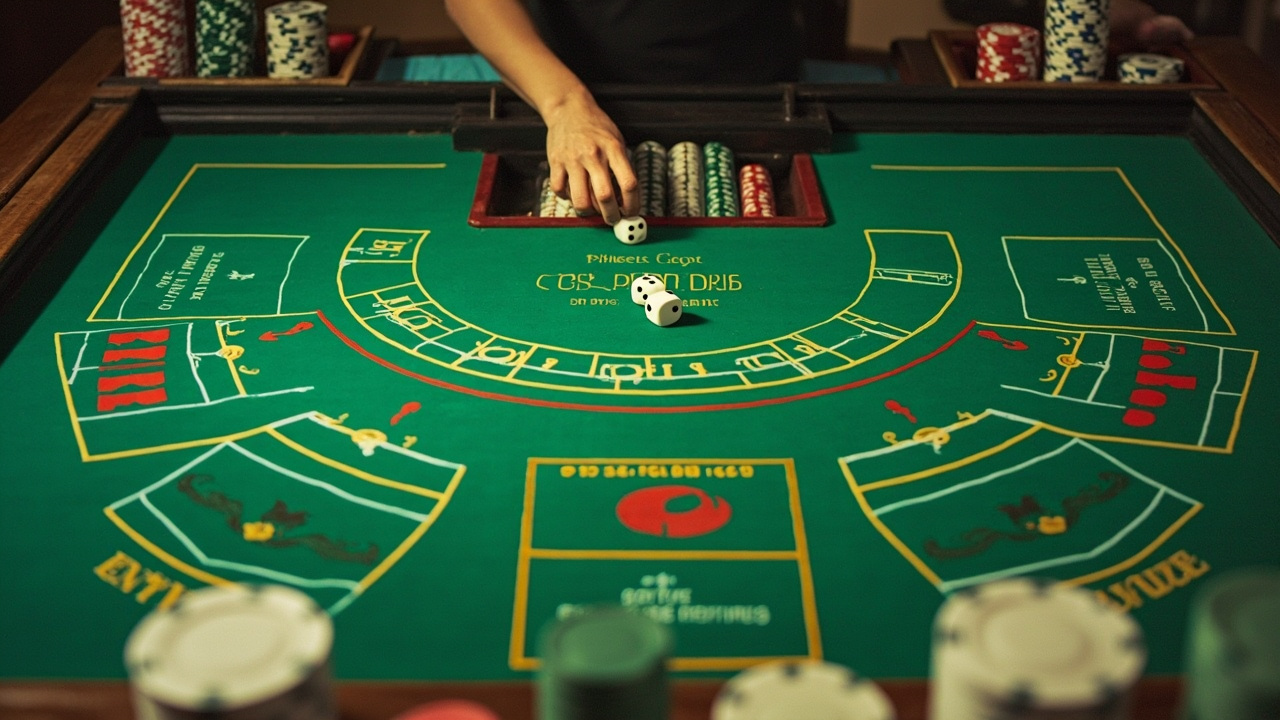
The proposition bets explained simply are the one-roll wagers sitting in the middle of the layout, each priced independently and paid at fixed odds the moment the dice settle. A hop bet on a specific combination pays thirty-to-one, while a yo-leven split on five and eleven pays fifteen-to-one. The house keeps its margin through those fixed payouts, which is why a single lucky hit feels brilliant but the long run still favours the table. I ran a projects audit for a Newcastle Jets commercial partnership once, and the lesson carried across: a flashy activation only works when the unit economics are honest. Here, the economics are plain and visible on the felt.
| Proposition bet | Numbers covered | Typical payout | House edge feel |
|---|---|---|---|
| Any seven | 7 | 4 to 1 | High |
| Hard six / hard eight | 6-6 or 8-8 | 9 to 1 | High |
| Yo-leven | 5 and 11 | 15 to 1 | High |
| Hop bet | One specific combo | 15 to 1 to 30 to 1 | High |
The table is a reminder that the payouts are fixed, not negotiated, and the edge is baked into every line. If you are hunting a quick thrill, pick one line and keep the stake modest. If you are chasing a pattern, you are listening to the crowd instead of the maths.
Two ways to keep the session honest
Discipline over noise
Wearing headphones or ignoring the crowd won’t change random outcomes, but it can help discipline. The proposition bets explained in plain terms are single-roll propositions, which means every throw is a fresh event and the previous seven does not make the next one kinder. I have sat through enough noisy matchdays to know that crowd momentum is a feeling, not a forecast. Keep your stake size consistent, set a stop point before you step to the table, and walk away when it is reached. That is not glamorous, but it is how sessions stay affordable.
Casinos are living laboratories of statistics, psychology and human behaviour, and the prop lines are where the psychology gets loudest. The crowd cheers the seven because it ends a shooter’s run, not because it pays better than a quiet pass line hit. Recognising that difference is the practical edge for an Australian player who wants the fun without the overspend.
Reading the offer, not the room
Alice Scott, Customer Experience Lead, Murray River Gaming Research, puts it plainly: “Players respond to the rhythm of the table more than the odds on the felt, so a clear stop plan matters more than chasing a hot streak.” That is a fair caveat. The proposition bets explained from a usability angle are simple to place but hard to manage in a hot room, because the pace is fast and the payouts are tempting. If the pace is too much, step back to the pass line or come bets where the action is slower and the edge is lower. If you want the one-roll excitement, cap the number of throws you will play and stick to it. thepokies.net no deposit bonus
For players comparing where to start, a no-deposit bonus from a site like thepokies.net no deposit bonus can be a low-cost way to practise the layout and the pace before you risk your own money on a live table. That kind of trial helps you learn the rhythm without the pressure of a funded session, which is useful when you are still learning how the prop lines behave under real crowd noise.
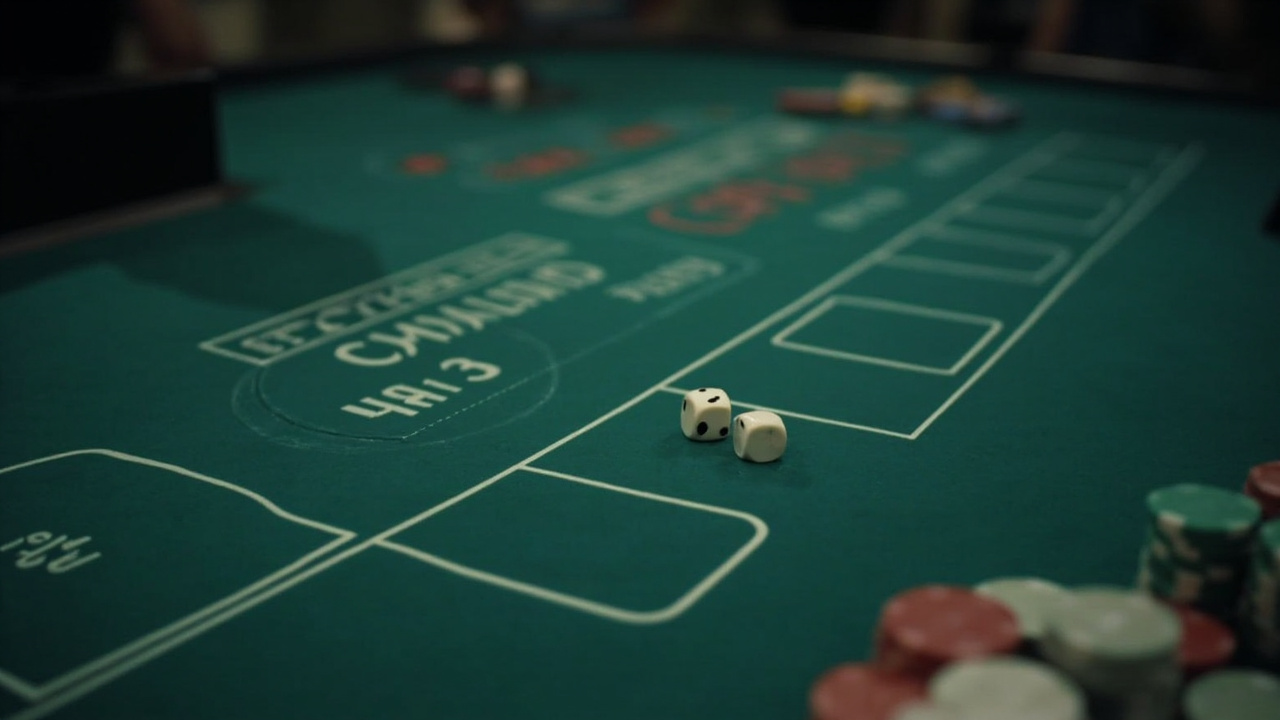
Matching the prop bets to how you actually play
The proposition bets explained for an Australian adult who wants a measured night out are best treated as a small, priced diversion rather than a main event. If you enjoy fast, one-roll action and can walk away on a pre-set loss, the hop bets and hard ways give you that spark without needing a long strategy. If you prefer slower, lower-edge play, keep your money on the pass line and use the props only as an occasional sideshow. The fit comes down to temperament, not luck.
In my experience running fan engagement and commercial projects, the best outcomes come when the offer matches the audience’s actual behaviour, not the brochure version of it. The same holds here: if you like the noise and the quick payouts, the prop bets fit; if you want a steadier session, treat them as a small garnish and keep the main stake elsewhere. No single bet is a safe path, and none of this changes the house edge, so the verdict is practical rather than promotional.
Pick one prop line, keep the stake modest, set a stop point, and leave the crowd’s rhythm to the crowd. That is the honest fit for an Australian player who wants the fun of the table without pretending the dice owe anything.